Choose drain cleaning in Portsmouth, VA, for slow flow, recurring clogs, standing water, unpleasant odors, or drainage problems affecting bathroom fixtures.
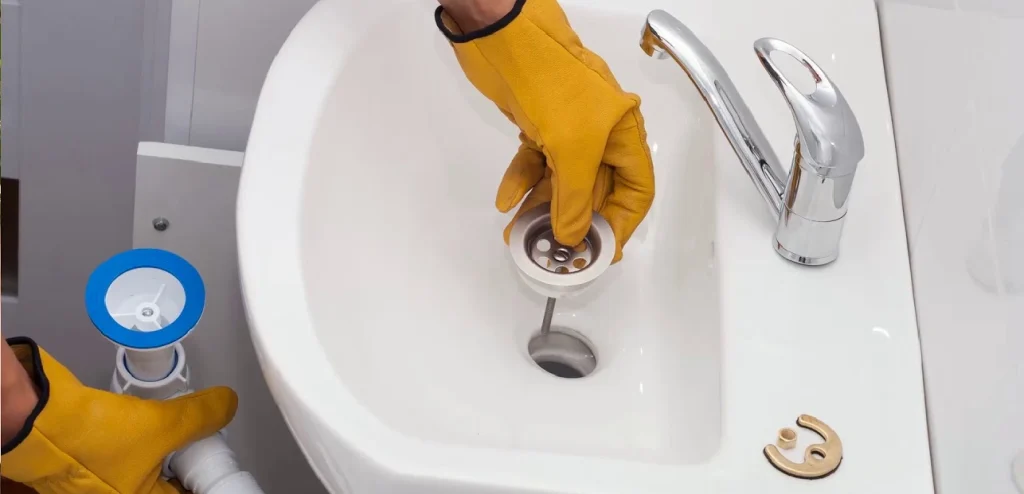
A slow drain is often treated as a surface-level blockage, but repeated trouble may point to buildup, a damaged fitting, a restricted P-trap, or a deeper waste-pipe concern. Newman’s Contracting LLC approaches drain problems by examining symptoms, fixture behavior, visible connections, and the surrounding bathroom conditions.
A clogged drain service may involve more than removing material near the opening. Drain flow can also be affected by corroded drain fittings, pipe alignment, damaged connections, or deterioration within the bathroom drainage system. Through Newman’s Contracting contractors, homeowners can connect drainage concerns with broader bathroom and plumbing services when the problem extends beyond routine clearing.
Prompt drain cleaning service can help address slow drainage, standing water, repeated clogs, and fixture backups before moisture affects cabinets, flooring, walls, or surrounding finishes. The appropriate solution depends on whether the obstruction is local, recurring, or connected to damaged drainage components.
A drain-clearing service may restore flow when buildup is limited. Still, recurring trouble can require residential plumbing repair involving a P-trap replacement, waste pipe repair, or a damaged connection. The source should be identified before the same temporary solution is repeated.
Bathroom drains should be protected by keeping hair, soap residue, debris, and unsuitable materials from entering the opening. Removable strainers should be cleaned regularly, and recurring slow flow should not be ignored. Harsh chemical products may not correct damaged fittings, restricted pipes, or poor connections. When standing water returns shortly after clearing, a drain line inspection may be needed to determine whether the problem extends beyond surface buildup.
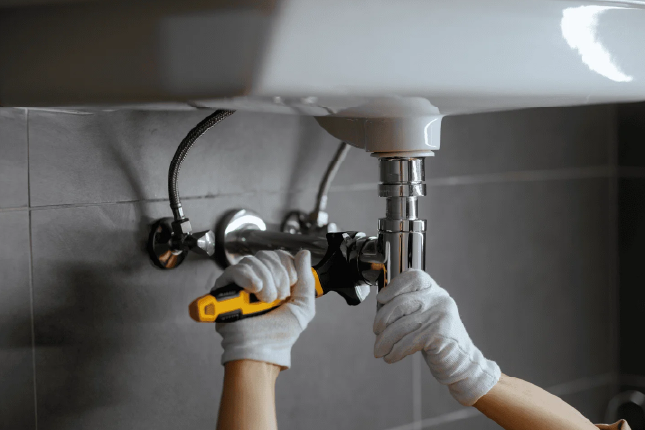
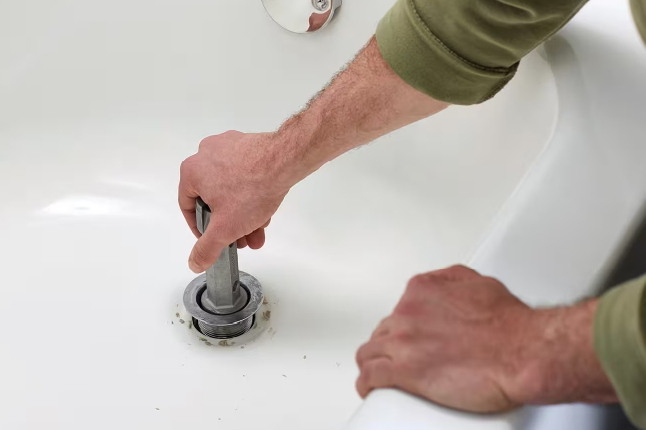
Homeowners should also monitor stains, cabinet moisture, loose drain assemblies, and odors. These signs may indicate bathroom drain repair rather than another basic attempt at drain blockage removal.
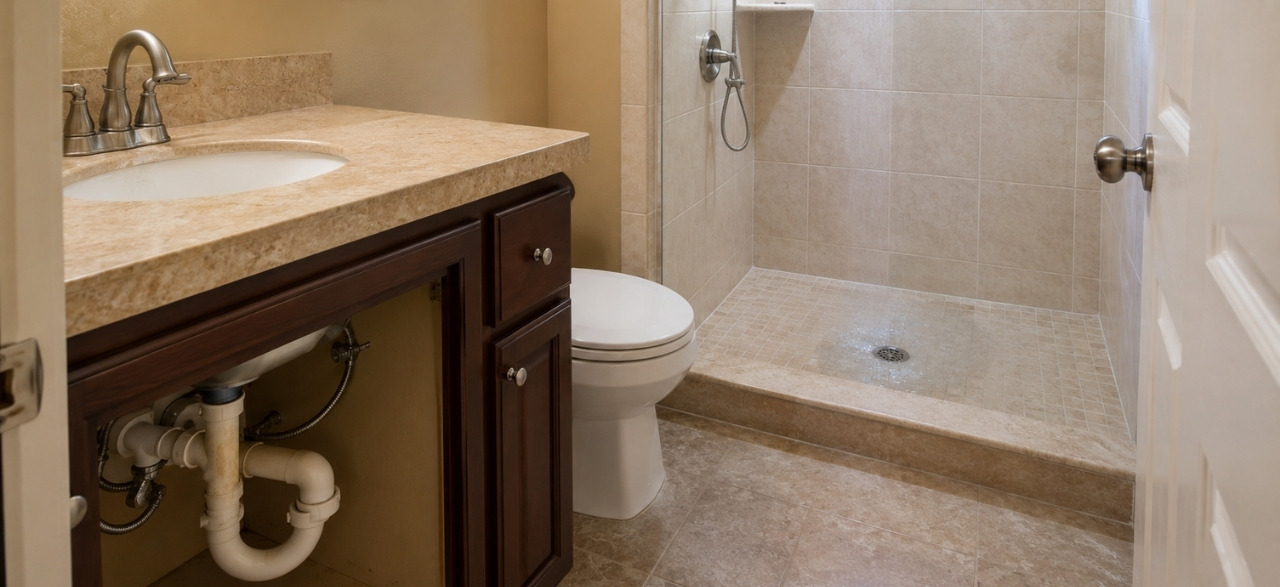
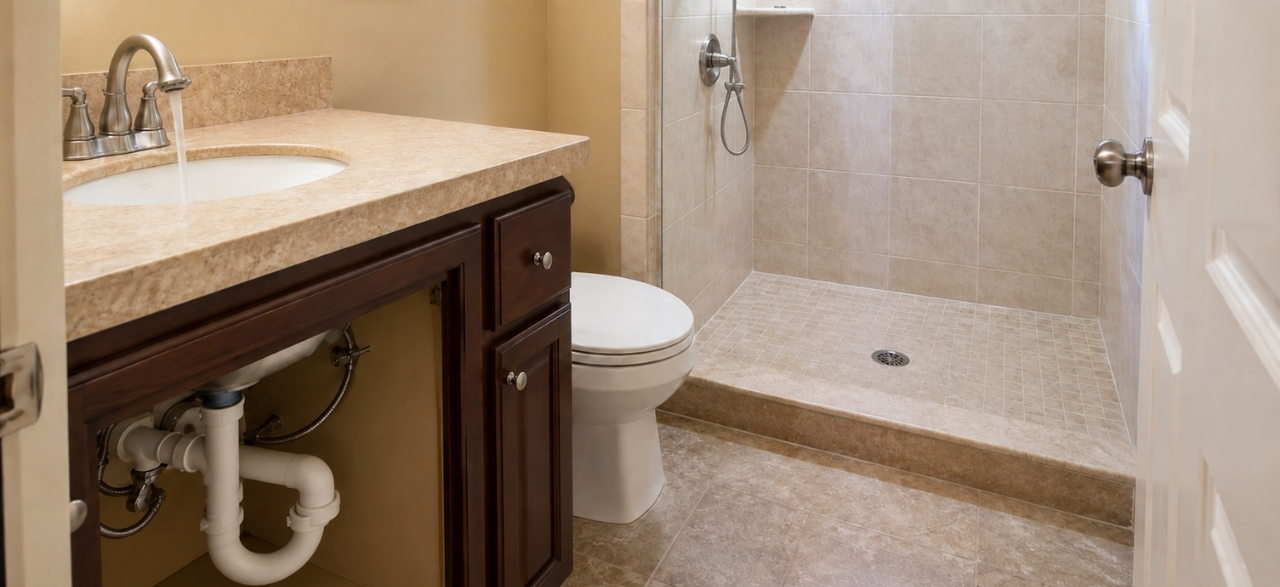
Drain cleaning in Portsmouth, VA, should begin with how the fixture behaves. Slow flow, complete blockage, leaking connections, gurgling, or standing water can point toward different sections of the drainage path and require different service decisions.
The bathroom plumbing specialists at Newman’s Contracting LLC consider the drain opening, P-trap, fittings, accessible waste pipe, and surrounding materials before defining the repair scope. A sink drain repair may differ significantly from shower drain repair because access, components, and water exposure are not the same.
A bathroom drain should move water consistently without allowing leaks, odors, or repeated backups. The fixture, drain assembly, trap, waste pipe, and connecting fittings must operate as one path rather than separate parts.
A corroded drain fitting may require replacement even when the blockage has already been cleared. Likewise, drain pipe repair may be necessary when cracked, loose, or deteriorated sections prevent dependable drain flow restoration.
The correct service depends on the fixture, blockage location, visible damage, access, and whether the issue returns after clearing. Each option addresses a different part of the drainage system rather than treating every problem as an identical clog.
When drain problems appear during remodeling, a bathroom renovation contractor may need to coordinate repair access with flooring, cabinetry, shower bases, tubs, or wall finishes. Drainage work should be planned before new materials conceal the affected area.
Newman’s Contracting LLC does not approach every drain concern as an isolated pipe problem. Since 1986, the family-owned company has worked inside bathrooms where drains connect directly with tubs, showers, sinks, cabinets, flooring, and finished surfaces. That remodeling perspective helps the team consider both flow restoration and the surrounding materials that may be affected. Service is also available for drain repair in Smithfield and other listed communities.
The team considers whether the problem begins at a sink, shower, tub, trap, fitting, or accessible drain connection.
Drain access is planned with nearby cabinets, flooring, walls, shower components, and finished materials in mind whenever conditions permit.
Homeowners receive guidance based on visible symptoms, accessible components, recurring behavior, and the condition of the drainage system.
Decades of bathroom work help connect drainage decisions with fixture installation, material removal, repair access, and future renovation plans.
A recurring clog may indicate that only part of the buildup was removed, or that the obstruction extends farther into the drainage line. A restricted P-trap, corroded fitting, damaged waste pipe, or poor flow condition may also cause repeated problems after temporary drain clearing.
Standing water can increase exposure around drain seals, grout, caulk, flooring transitions, and nearby finishes. The level of risk depends on where the water collects and how long it remains. Standing water repair should address both the drainage cause and any visible moisture concerns.
A P-trap replacement may be appropriate when the trap leaks, corrodes, cracks, remains restricted after cleaning, or no longer connects securely. Odors can also indicate a trap-related issue, although the exact source should be confirmed before the component is replaced.
Shower drain repair addresses damaged seals, fittings, connections, drain bodies, or accessible pipe components, while drain cleaning focuses on removing buildup or blockages. A shower may require both services when restricted flow and a leaking or deteriorated drain assembly occur together.
Chemical products may not be suitable for every pipe material, fitting, seal, or blockage type. They can also leave the underlying problem unresolved when damage or deep restriction is present. Product instructions and plumbing conditions should be considered before any chemical treatment is used.
A drain line inspection can help determine whether slow flow or recurring blockage may involve accessible pipe damage, restricted sections, deteriorated fittings, or a problem beyond the fixture opening. The inspection method depends on access, pipe configuration, symptoms, and the suspected location of the issue.
Describe the affected fixture, drainage symptoms, recurring issues, and visible moisture so the right repair approach can be discussed.