
Choose bathtub replacement in Portsmouth, VA, when the existing tub is worn, damaged, difficult to maintain, or no longer suited to household bathing routines.
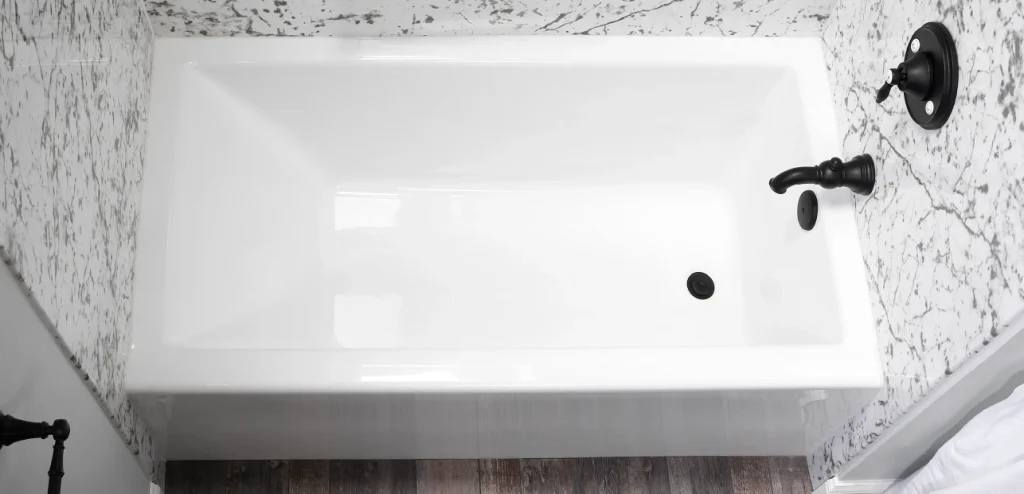
A bathtub replacement service preserves the room’s bathing function while removing a fixture that may be cracked, stained, uncomfortable, outdated, or poorly fitted. Newman’s Contracting LLC evaluates the current tub, alcove dimensions, plumbing access, surrounding walls, and floor conditions before recommending a practical replacement approach.
As experienced Portsmouth bath renovation specialists, the company coordinates old tub removal service, bathtub installation, drainage, faucet connections, wall preparation, and finishing within the approved scope. A successful tub replacement depends on more than selecting a new model. The replacement must also work with the existing opening, plumbing configuration, bathroom layout, and household bathing preferences.
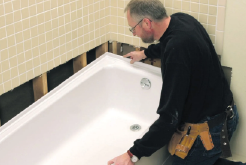
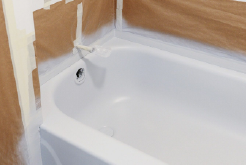
Bathtub replacement can preserve soaking and bathing use while improving comfort, appearance, cleaning, drainage, and fixture performance. It also allows homeowners to address worn surrounds, unreliable drains, outdated faucets, or an unsuitable tub shape without automatically converting the entire area into a shower.
Some replacement projects remain focused on the bathing area, while others become part of complete bathroom renovations involving flooring, storage, plumbing, or surrounding finishes. The correct scope depends on the condition of adjacent materials and whether the new bathtub can integrate cleanly with the existing room.
A new bathtub performs best when the connected drain, overflow assembly, faucet, spout, surround, and surrounding surfaces are planned together. Homeowners should keep seals and joints clean, monitor drains for slow flow, use compatible cleaning products, and respond quickly to leaks or recurring moisture. A waterproof tub surround can help manage repeated exposure, but edges, penetrations, and transitions still require routine inspection and care.
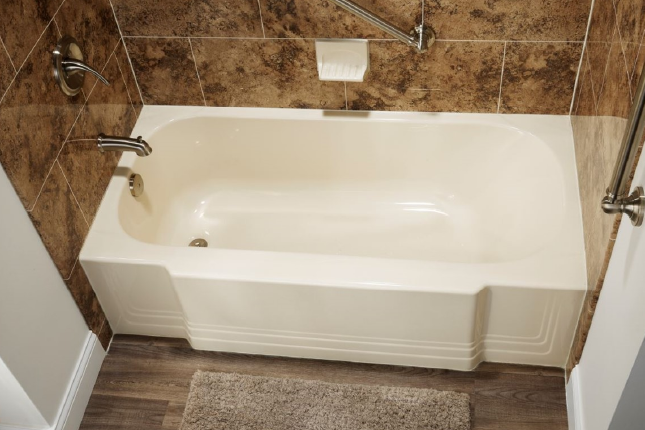
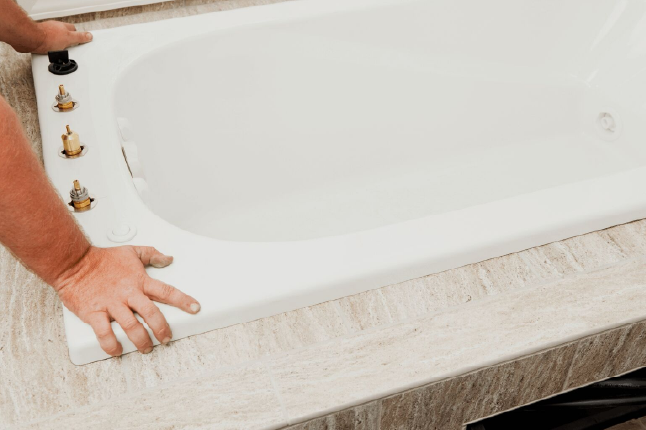
When drainage, shutoff access, supply lines, or hidden connections show signs of wear, home plumbing services may be needed alongside the tub project. Prompt attention can help prevent water from affecting flooring, walls, cabinetry, or concealed materials.
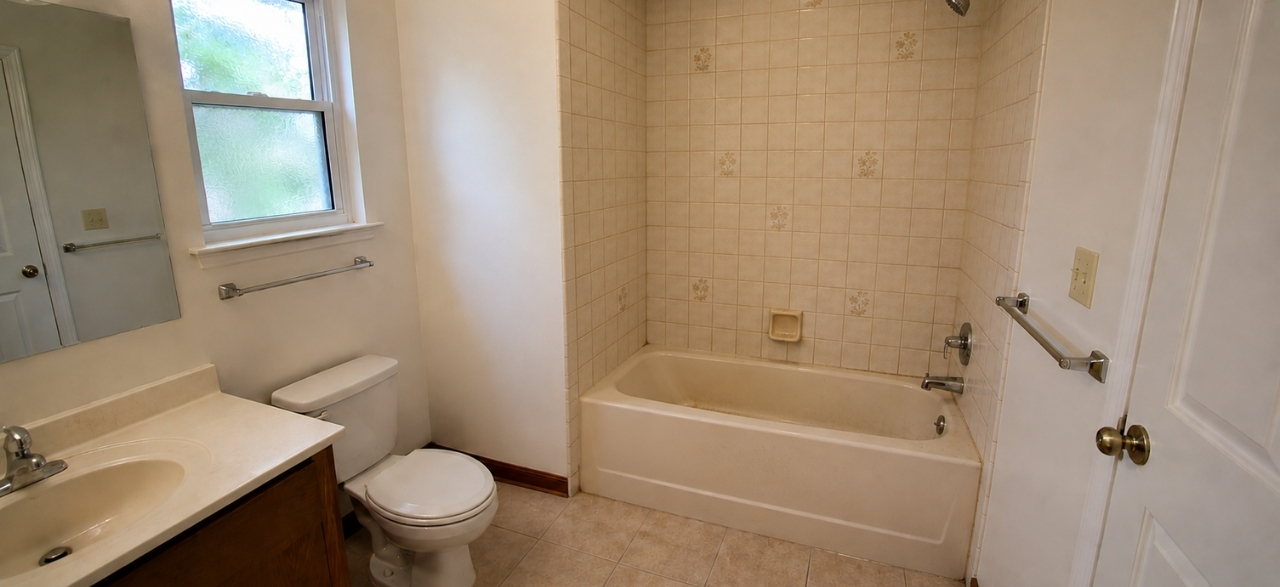
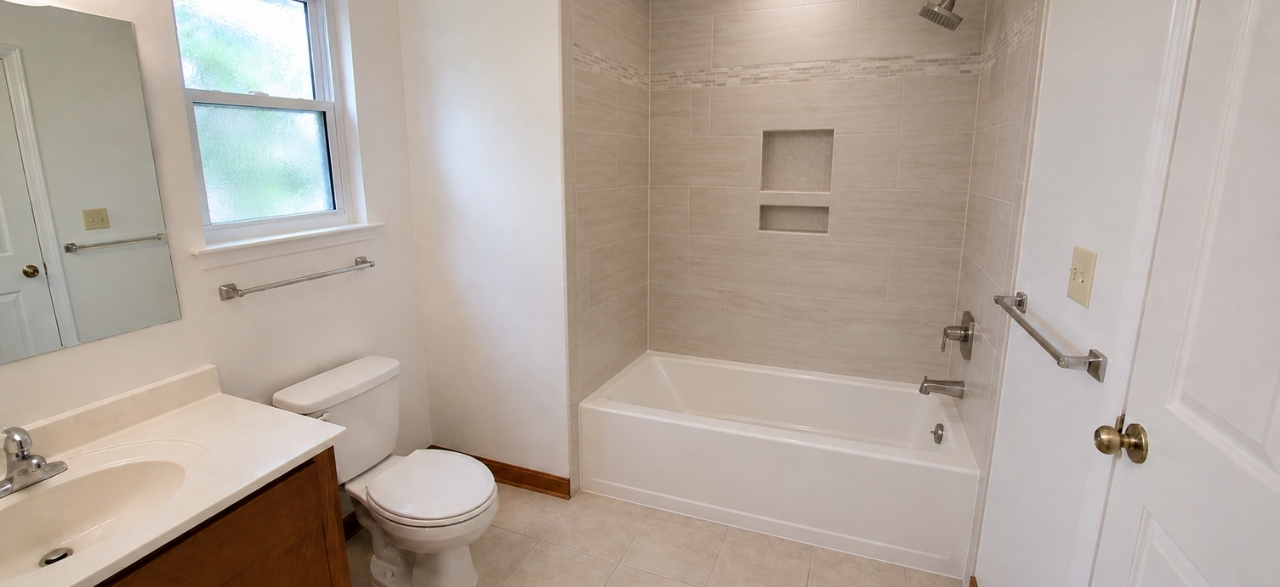
Bathtub replacement in Portsmouth, VA, should begin with accurate measurements of the alcove, drain, overflow, faucet placement, wall opening, and floor area. Even tubs marketed in similar sizes may differ in flange position, depth, shape, and connection requirements.
A new bathtub installation may require bathroom plumbing upgrades when the existing drain, overflow assembly, shutoff valves, faucet connections, or supply lines no longer suit the selected fixture. These conditions should be identified before surrounding surfaces are closed.
The right bathtub should support how the household actually uses the room. Depth, interior shape, entry height, length, faucet location, and surrounding access all affect comfort, cleaning, and daily practicality.
Homeowners who rarely use a bathtub may compare replacement with bathtub-to-shower conversion options. Families who value bathing, have young children, or want to retain at least one tub may prefer replacement instead.
Tub selection should reflect alcove size, bathing preferences, material weight, plumbing alignment, entry clearance, maintenance expectations, and the condition of surrounding walls and flooring. Each option creates different installation and finish requirements.
Cast iron tub removal may require a different removal strategy than taking out a lighter acrylic or fiberglass fixture because weight, access, surrounding finishes, and floor protection can affect the process. Final methods should follow the actual tub and bathroom conditions.
Rather than treating the bathtub as an isolated product, Newman’s Contracting LLC considers how removal and installation affect the drain, overflow, faucet, bath spout, wall surround, floor, and nearby finishes. Since 1986, the family-owned company has handled bathroom projects throughout Portsmouth and the surrounding Hampton Roads area. Homeowners can also arrange bathtub replacement in Smithfield and other listed communities.
The team reviews tub condition, dimensions, plumbing access, surrounding materials, floor support, and replacement limitations before installation planning begins.
Bathtub drain installation, tub faucet replacement, overflow connections, and bath spout installation are considered alongside the selected replacement fixture.
Old tub removal is planned around fixture material, available access, nearby finishes, plumbing connections, and the condition of surrounding surfaces.
The replacement is coordinated with wall finishes, flooring transitions, bathing access, cleaning needs, and the wider bathroom layout.
A replacement tub may fit the same alcove, but nominal sizes do not guarantee identical dimensions. Flange position, tub depth, drain location, overflow height, wall opening, and floor conditions can differ. Accurate measurements and product specifications should be reviewed before the existing bathtub is removed.
Some wall material usually needs removal to access the tub flange, plumbing connections, or damaged areas. The amount depends on the existing surround, waterproofing, wall condition, and replacement design. If moisture damage or unsuitable materials are found, a broader wall rebuild may be necessary.
Existing components may remain when their condition, placement, valve arrangement, and connection sizes work with the new tub. Tub faucet replacement or bath spout installation may be appropriate when parts are worn, difficult to reach, incompatible, or positioned incorrectly for the replacement fixture.
Drain misalignment may require repositioning the connection, adjusting nearby piping, or selecting a different tub. The amount of work depends on access beneath or beside the fixture, pipe condition, floor structure, and tub design. Bathtub drain installation should be coordinated before the tub is secured.
Cast iron tubs are generally heavier and may present different access, handling, and floor-protection considerations than acrylic tubs. The removal method depends on the tub, surrounding walls, doorway clearance, plumbing access, and bathroom conditions. The existing fixture should be evaluated before demolition begins.
Replacement suits households that still value soaking, bathing children, or retaining a tub. Conversion may fit homeowners who prefer showering or want a lower entry. Available bathrooms, mobility needs, room dimensions, plumbing, and long-term use should guide the decision rather than appearance alone.
Discuss the existing tub, replacement options, plumbing, surrounds, and household bathing needs before selecting the right installation approach.