
Every bathroom project begins with a different problem. Some homeowners need a complete renovation, while others require focused shower, tub, plumbing, drainage, accessibility, or space-expansion work. Review each service below to identify the most relevant next step.
Plan a complete bathroom transformation involving layout, fixtures, bathing areas, storage, plumbing, surfaces, and finishing choices coordinated around the room’s condition, household routines, and long-term functional priorities.
Create a lower-entry shower planned around available dimensions, drainage, waterproofing, fixtures, storage, seating, and enclosure requirements while improving everyday access and supporting practical movement within the bathroom.
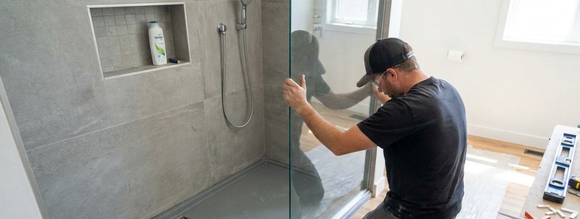
Complete a new or remodeled shower with measured glass panels, hinged or sliding doors, hardware, seals, and enclosure configurations selected according to the finished opening and available clearance.
Add bathroom capacity by converting suitable interior space or creating a new room with coordinated planning for layout, plumbing, framing, ventilation, fixtures, access, and surrounding household circulation needs.

Replace an underused or difficult bathtub with a more practical shower while coordinating tub removal, drainage, waterproofing, wall systems, entry design, fixtures, storage, seating, and glass options.
Address leaks, damaged pipes, unreliable valves, fixture connections, water delivery, drainage, and remodeling-related plumbing concerns through project-specific repair, replacement, installation, inspection, and maintenance planning for residential properties.
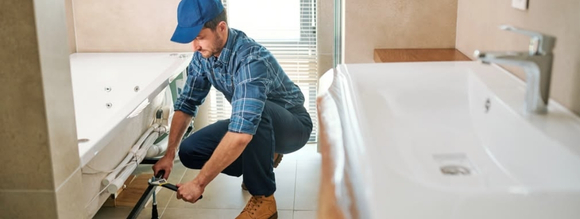
Rework an aging, damaged, cramped, or outdated shower through coordinated improvements to walls, waterproofing, drainage, fixtures, storage, seating, tile, glass, entry design, and overall daily usability.
Install a new shower system with careful coordination of the base, drain, waterproofing, walls, plumbing, fixtures, storage, seating, entry configuration, enclosure, and surrounding bathroom finishes and transitions.

Remove a worn, damaged, uncomfortable, or outdated bathtub and install a compatible replacement while coordinating dimensions, drainage, overflow connections, faucets, surrounds, plumbing access, and surrounding surface conditions properly.
Resolve slow flow, recurring clogs, standing water, leaking connections, damaged traps, corroded fittings, and fixture-specific drainage problems through targeted cleaning, inspection, repair, replacement, and flow-restoration services when appropriate.

Coordinate bathroom-specific supply lines, drains, valves, fixture hookups, rough-ins, pipe changes, leak repairs, and plumbing access around sinks, toilets, showers, tubs, vanities, layouts, and remodeling plans effectively.
Reduce common bathroom barriers through thoughtful planning for wider access, lower-entry bathing, reachable controls, supportive seating, grab bars, clear movement paths, caregiver assistance, and long-term household usability needs.
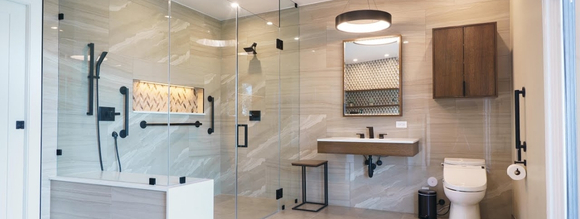
Preserve seated bathing with a lower-entry tub planned around doorway access, floor space, water supply, drainage, controls, seating, door operation, user comfort, caregiver needs, and maintenance requirements.